- +252618300073
- info@buruujtech.com
- km13,Afgoi Road,Mogadishu-Somali

The Vocational Training Program at Buruuj Technical Secondary School is designed to provide essential skills and knowledge to individuals, especially those currently working as technicians but who have not had the opportunity to complete formal education. This program is structured to enhance the practical and theoretical knowledge of students, ensuring that they gain the competencies necessary for employment in various technical fields.
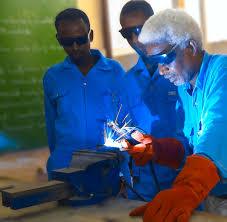
The program spans 29 weeks, during which students complete 232 hours of training. Of these, 70 hours are dedicated to theoretical instruction, while 162 hours are spent on practical training. The program is delivered in Somali, the local language, ensuring accessibility for all participants.
To enroll in the vocational training program, applicants must pass a literacy and basic math test. The program is designed to provide students with the skills necessary to secure stable employment in their chosen field.
Students enrolled in the vocational program select one of the following specialized tracks, each designed to equip them with specific skills required for success in their respective industries:
Key Skills: Installation and maintenance of piping systems, including water, drainage, and gas lines
Key Skills: Construction of brick, block, and stone structures
Upon completion of the program, students will have acquired the necessary skills to enter the workforce as highly skilled technicians in their chosen fields. The program’s blend of theory and hands-on practice ensures that graduates are equipped with the technical proficiency required to meet the demands of local industries. This vocational training program plays a vital role in supporting the workforce development goals of the community.
Buruuj Technical Secondary School, founded in August 2015, is dedicated to equipping students with essential technical skills for the global workforce. With over 100 experienced staff members and 1,500+ students, we pride ourselves on a 62.5% graduate employment rate within the first year. Our institution is a symbol of empowerment, shaping the next generation of industry-ready professionals
info@buruujtech.com
+252618300073
Copyright © 2025 Buruuj Technical Secondary School
